Do you love the character of older homes but wish you had a simple way to tell one style from another? If you are drawn to the charm of Rancho Circle and nearby historic pockets of Las Vegas, you are in good company. Understanding the hallmarks of each style helps you shop with confidence, plan upgrades that fit, and protect resale value. This guide breaks down the most common historic and mid-century home styles you will see in Rancho Circle, plus practical ownership and selling tips. Let’s dive in.
Rancho Circle at a glance
Rancho Circle sits within the older residential fabric of the Las Vegas valley. Many homes were built during the post-war boom and show the transition from compact early post-war houses to expansive ranch and desert-influenced modern designs. The desert climate also shaped these homes, so you will see shade structures, patios, stucco exteriors, and low or tiled roofs.
If you are considering changes to a property, verify whether it lies in a local historic district or is subject to design review. Check with the City of Las Vegas Historic Preservation Commission or Clark County, and the Nevada State Historic Preservation Office for designations and programs. For major projects, use the Secretary of the Interior’s Standards as a helpful baseline for appropriate rehabilitation.
Style guide: what you will see
Ranch style
Post-war ranch homes are widespread in mid-century Las Vegas neighborhoods.
- Hallmark features: Single-story, long and low profile; low-pitched gable or hipped roof; asymmetrical façade; attached garage or carport; open interiors and sliding doors to the yard; stucco with brick or stone accents.
- Detection tips: Horizontal orientation, wide eaves, big rear patios, single-level flow.
- Common problems: Original single-pane windows, limited insulation, aging HVAC, low-slope roof wear, stucco cracking.
- Sympathetic upgrades: Add insulation discreetly, right-size energy-efficient HVAC, use replacement windows that match original sightlines or add secondary glazing, and modernize kitchens and baths while keeping built-ins and simple trim.
Mid-century Modern and Desert Modern
These homes blend clean lines with indoor-outdoor living and shade for the desert.
- Hallmark features: Open plans, clerestory windows, post-and-beam in some examples, wide glass walls, geometric simplicity, and minimal ornament.
- Detection tips: Strong indoor-outdoor connection, large glass expanses, deep overhangs or cantilevered rooflines for shade, exposed structural elements.
- Common problems: Aging glazing and seals, flat roof leaks, structural details that need specialist attention.
- Sympathetic upgrades: Restore original glazing patterns, update mechanical systems with minimal intrusion, and repair or replicate original exterior finishes rather than swapping in mismatched materials.
Minimal Traditional and early post-war
These homes bridge pre-war forms and full ranch living.
- Hallmark features: Smaller footprints, simple gables, compact floor plans, modest porches, and straightforward trim.
- Detection tips: Boxy forms, shallow eaves, unadorned facades with stucco or wood siding.
- Typical issues: Older kitchens and baths, early electrical work in the oldest examples, and aging plumbing.
- Sympathetic upgrades: Reconfigure kitchens and baths sensitively, update systems, and retain or replicate trim and hardware where present.
Spanish Eclectic and Pueblo/Regional Revival
Revival elements add texture and shade suited to the climate.
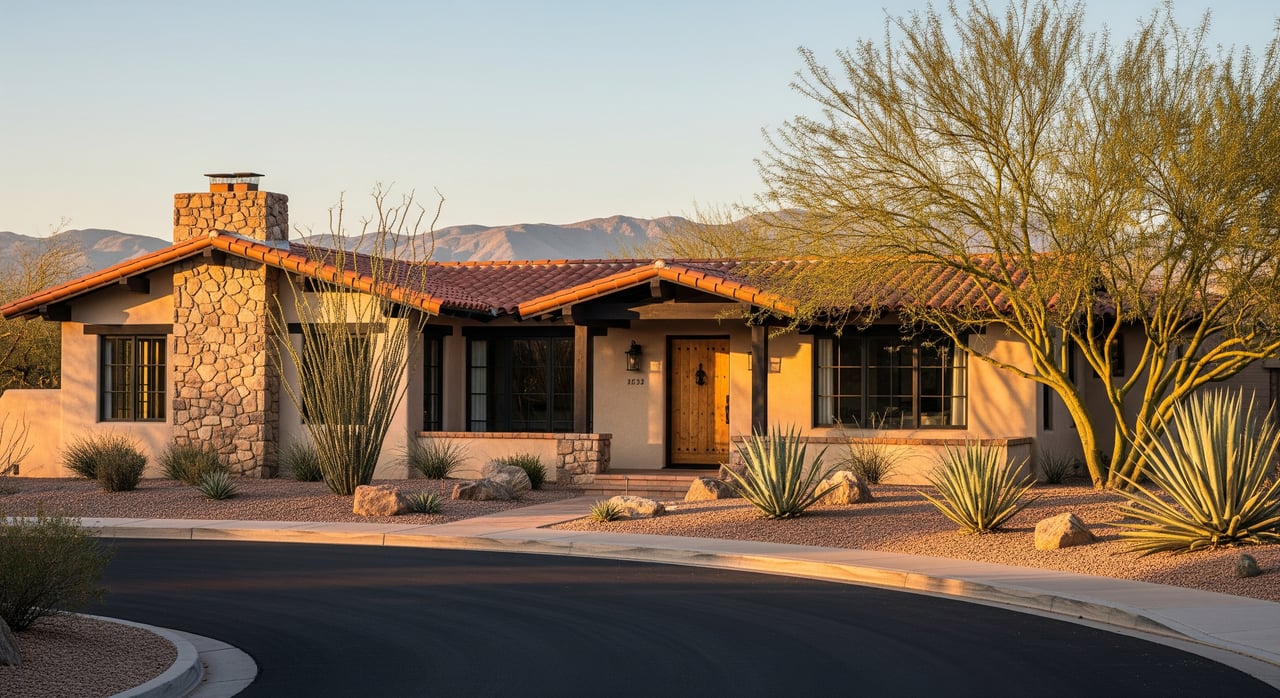
- Hallmark features: Smooth stucco walls, arched openings, clay tile roofs on some revival examples, decorative tile, wrought-iron accents, and shaded courtyards.
- Detection tips: Arched windows or doorways, red clay tiles, patterned tile and ironwork.
- Preservation issues: Terracotta roof upkeep, stucco repair, tile replacement that matches original patterns.
- Sympathetic upgrades: Repair rather than replace tile and ironwork, and use compatible stucco mixes and techniques.
Bungalow and Craftsman details
Less common but still seen in pockets or in remodels.
- Features: Exposed rafters, tapered porch columns, built-in cabinetry, and original wood floors.
- Maintenance: Watch for wood rot, foundation movement in older examples, and plaster repair needs.
What buyers value in character homes
Many buyers seek authenticity paired with comfort. The most requested features include preserved period details such as original floors, built-ins, tile, and hardware. Strong indoor-outdoor connections with patios, shade, and mature landscaping are a plus. Turnkey systems matter too, so updated HVAC, electrical, and plumbing paired with period aesthetics helps the home stand out.
What can reduce resale value
Deferred maintenance that is visible will push buyers to the next listing. Roof leaks, failing stucco, and major plumbing or electrical questions are common deal-breakers. Incongruent renovations that erase period character can also hurt value, especially when changes are hard to reverse or limit natural light.
Ownership and maintenance basics
Older homes reward a proactive maintenance plan. Start with a detailed inspection that pays special attention to the roof and drainage, since low-slope roofs and desert sun can stress materials. Evaluate HVAC capacity and age, and expect replacement or rightsizing in many mid-century properties.
Windows and doors deserve a close look, especially single-pane units with aging frames and seals. Review electrical service capacity and branch circuits, and note any older galvanized plumbing or polybutylene that may warrant replacement. Inspect stucco for cracks, check the slab or foundation, and plan for pool and irrigation care that fits the desert climate. For potential hazards like lead-based paint or asbestos in mid-century materials, bring in certified testing and abatement professionals.
Preserve or replace: making the call
Preserving original windows, tile, and built-ins helps maintain authenticity and can enhance resale appeal. Repairs may cost more than basic replacement, so weigh condition, comfort, and long-term value. Energy upgrades such as insulation, modern HVAC, and efficient glazing are often necessary for comfort and marketability, and you can usually achieve them while minimizing the loss of original character.
When you do replace major systems like a roof or electrical panel, use permitted work and keep receipts and plans. Documentation reassures future buyers and supports your pricing.
Work with the right specialists
Character properties benefit from experienced hands. Seek contractors who know historic materials and older construction techniques. If you are planning significant changes, consider an architect or preservation consultant and reference the Secretary of the Interior’s Standards to guide appropriate rehabilitation. This approach keeps your investment aligned with the home’s character and local expectations.
Quick checklists for buyers and sellers
Buyer checklist
- Get a comprehensive home inspection and add specialists for roof, HVAC, or structure as needed.
- Test for lead paint or asbestos when materials or age suggest it.
- Request maintenance records, permit history, and documentation of restorations.
- Confirm zoning, setbacks, and permit rules if you plan to add space.
- Check whether the property sits in a local historic district and what exterior changes require review.
Seller checklist
- Gather original plans, permit records, contractor receipts, and any prior research on the home.
- Address high-impact systems first, like electrical service, HVAC, and roofing.
- Conserve or restore signature features that photograph well, such as entry doors, built-ins, and period tile.
- Order a pre-listing inspection to surface and address issues before going to market.
- If the home is designated or within a district, disclose any review requirements for exterior changes.
How to market a period home
For listings, stick to facts buyers care about. Call out the year built and any documented architect or builder. Highlight preserved elements such as wood or terrazzo floors, built-ins, original windows or doors, tile, and decorative ironwork. List system upgrades with dates and note whether the work was permitted and inspected. Describe lot features that support outdoor living in the desert, such as covered patios, shade structures, and pool condition. If there is any historic designation or protective covenant, clarify what it means for future changes.
Where to confirm rules and incentives
Start with the City of Las Vegas Historic Preservation Commission or the relevant municipal office if the property is outside city limits. Clark County planning and the building department can provide permit records, zoning, and lot information. The Nevada State Historic Preservation Office maintains information on National Register listings and state programs.
For general preservation guidance and standards, look to the National Park Service, which publishes the Secretary of the Interior’s Standards for Rehabilitation. Local archives and historical collections, including university or municipal resources, can help you research property histories and find historic photos. For any suspected hazards, consult certified testing and abatement professionals.
If you are weighing upgrades or planning to sell, you do not have to go it alone. Reach out to a trusted local expert who understands character properties and buyer expectations in the Las Vegas market. To discuss your plans for a Rancho Circle home, connect with Jill Alegre. Let’s make a strategy that protects character and supports your goals.
FAQs
What historic home styles are most common in Rancho Circle?
- Expect post-war ranch homes, mid-century modern and desert-influenced designs, plus some Minimal Traditional and revival elements.
How can I tell a ranch from a mid-century modern home?
- Ranch homes sit low and long with attached garages and sliding doors, while mid-century modern examples show larger glass walls, clerestory windows, and cleaner geometric forms.
What are the top maintenance risks for older Las Vegas homes?
- Low-slope roof wear, aging HVAC, single-pane windows, stucco cracks, and older plumbing or electrical components are common issues to inspect.
Are there incentives or restrictions for historic properties in Clark County?
- Some areas may have exterior review processes and certain incentives can apply, so verify status with the City of Las Vegas or Clark County and consult the Nevada SHPO for programs.
How do I improve energy performance without losing character?
- Focus on discreet insulation, right-sized modern HVAC, and window solutions that keep original sightlines, such as secondary glazing.
When should I hire a preservation architect instead of a general contractor?
- Bring in a preservation architect when planning significant alterations so you can follow widely accepted rehabilitation standards and protect character.
What disclosures and inspections should buyers expect with a character home?
- Buyers should review inspection reports focused on roof, HVAC, windows, electrical, plumbing, and stucco, along with any available permits, maintenance records, and district designation details.