Do long, low rooflines and glass walls make you stop and stare? If you are looking at homes in Rancho Circle, you are already seeing how mid-century modern design thrives in the desert. Whether you are buying or preparing to sell, understanding this style helps you protect its character and maximize appeal. In this guide, you will learn how to identify key features, make smart updates, and stage for a standout listing. Let’s dive in.
Rancho Circle MCM basics
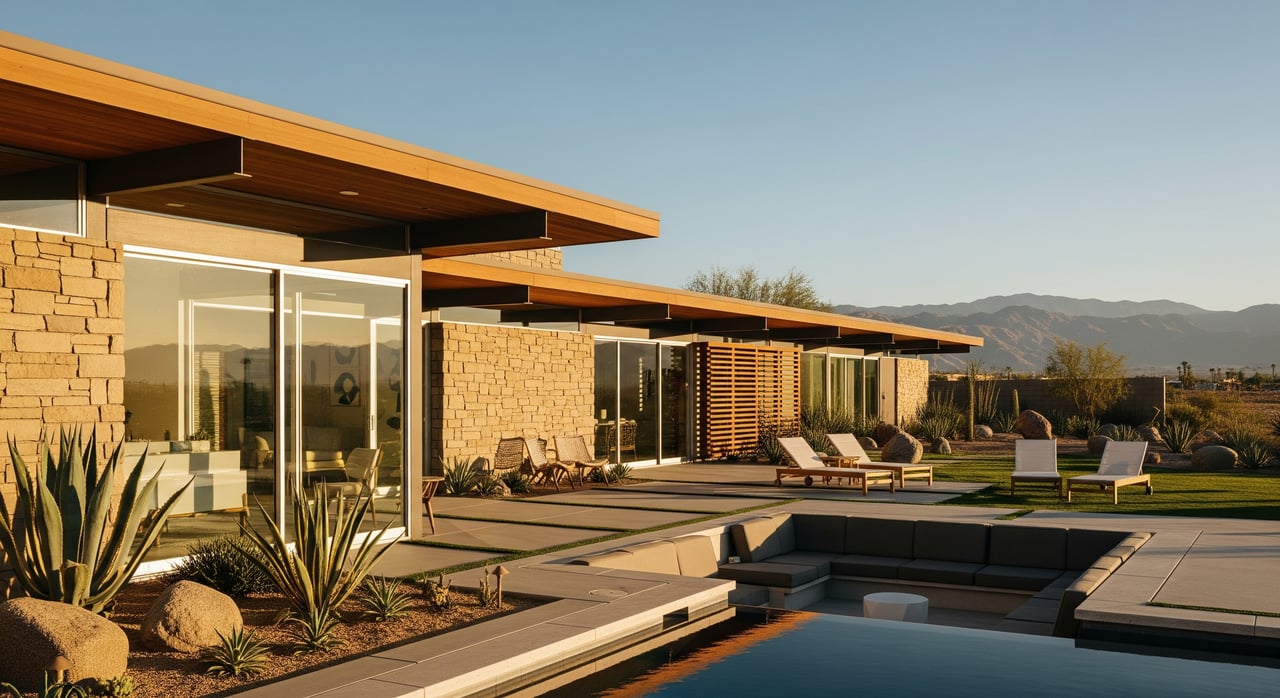
Mid-century modern homes were built roughly from 1945 to 1970. The style favors clean lines, open plans, and new materials developed in the postwar era. In Las Vegas and the Mojave Desert, these homes adapted to sun and heat with deep overhangs, shaded glass, clerestory windows, and easy access to patios and pools. Rancho Circle reflects these desert modern ideas with generous lots, single-story living, and an emphasis on indoor-outdoor flow.
How to spot the style
Roofline and form
- Low-pitched or flat roofs with wide eaves that create shade.
- Strong horizontal lines with simple rectangular or L-shaped plans.
- Carports and breezeways are common and read as part of the architecture.
Windows and light
- Large picture windows and floor-to-ceiling sliders that open to patios or pools.
- Clerestory or ribbon windows that bring in soft daylight while limiting direct sun.
- Minimal ornament with exposed posts or beams and clean, structural expression.
Entry and indoor-outdoor flow
- Recessed, simple entries that keep the profile low and horizontal.
- Courtyards, patios, and breezeways that connect rooms to outdoor living areas.
- Sliding doors that make outdoor rooms feel like an extension of the interior.
Materials and finishes
- Stucco, concrete block, natural stone accents, and wood siding outside.
- Open interiors with built-in storage, wood or veneer paneling, and terrazzo or concrete floors.
- Details like splayed posts, cantilevered eaves, exposed rafters, and minimalist built-ins.
Landscape cues
- Xeric-friendly plantings with gravel, succulents, and simple hardscape; some original lawns also appear on larger lots.
- Low walls and planters that shape outdoor rooms and extend living space.
- Orientation and shading elements that reduce heat on primary living areas.
Updates that respect the architecture
The gold standard for any work is simple: repair first, then replace only when needed. Aim to retain character-defining features and make new work compatible yet clearly new. Keeping rhythm, proportions, and the open feel of the interiors should guide every decision.
Windows and glazing
Original single-pane glass can be a comfort challenge in summer. You have preservation-minded options:
- Repair and weatherstrip original frames where feasible and add low-profile storm panels that are reversible.
- If replacement is necessary, choose slim-profile units that match original sightlines and patterns. Use Low-E glass and UV coatings suited to hot-dry climates.
- Consider interior secondary glazing to boost efficiency without changing the exterior appearance.
Insulation and the envelope
Many mid-century homes were light on insulation. Focus on discreet improvements:
- Add insulation in the attic and accessible wall cavities using vapor-permeable products that suit desert conditions.
- Seal air gaps and ducts to improve HVAC performance and comfort.
- Preserve ceiling and wall profiles. Avoid spray foam without professional evaluation since it can trap moisture or alter finishes.
HVAC and electrical
Comfort upgrades can be almost invisible with good planning:
- Size and place new HVAC equipment to preserve sightlines. Ductless mini-splits can target hot zones while reducing bulk.
- Conceal new ductwork in closets or attic spaces whenever possible.
- Update electrical service and panels to current code and capacity using licensed electricians.
Roofs and drainage
Flat and low-pitched roofs need attentive care in the desert’s occasional heavy rains:
- Repair original roofing when possible. If replacement is required, select materials compatible in color, thickness, and edge profile.
- Maintain overhangs and gutters to preserve the signature shadow lines and manage runoff.
Interiors, finishes, and additions
Respect the original while meeting today’s needs:
- Preserve built-ins, original cabinetry, unique hardware, and terrazzo or wood floors when feasible.
- When replacing countertops or appliances, choose simple profiles and integrated looks that fit the era’s clean lines.
- Keep additions set back and subordinate so the original massing remains legible. Use materials that are compatible in tone but read as new. Make accessibility improvements discreet and reversible.
Environmental and code items
Older homes can include materials that require care:
- If the home predates 1978, plan for lead-based paint precautions and potential asbestos in some finishes. Use certified professionals if you disturb suspect materials.
- Schedule inspections for roofing, glazing, mechanicals, and hazardous materials as part of your due diligence.
Incentives to explore
Energy and preservation incentives may apply depending on use and location:
- Ask about utility rebates for HVAC, insulation, and efficient windows.
- If a property is within a designated historic district or is income producing, additional programs could be available. Verify current options with local officials and the Nevada State Historic Preservation Office.
Staging that sells the story
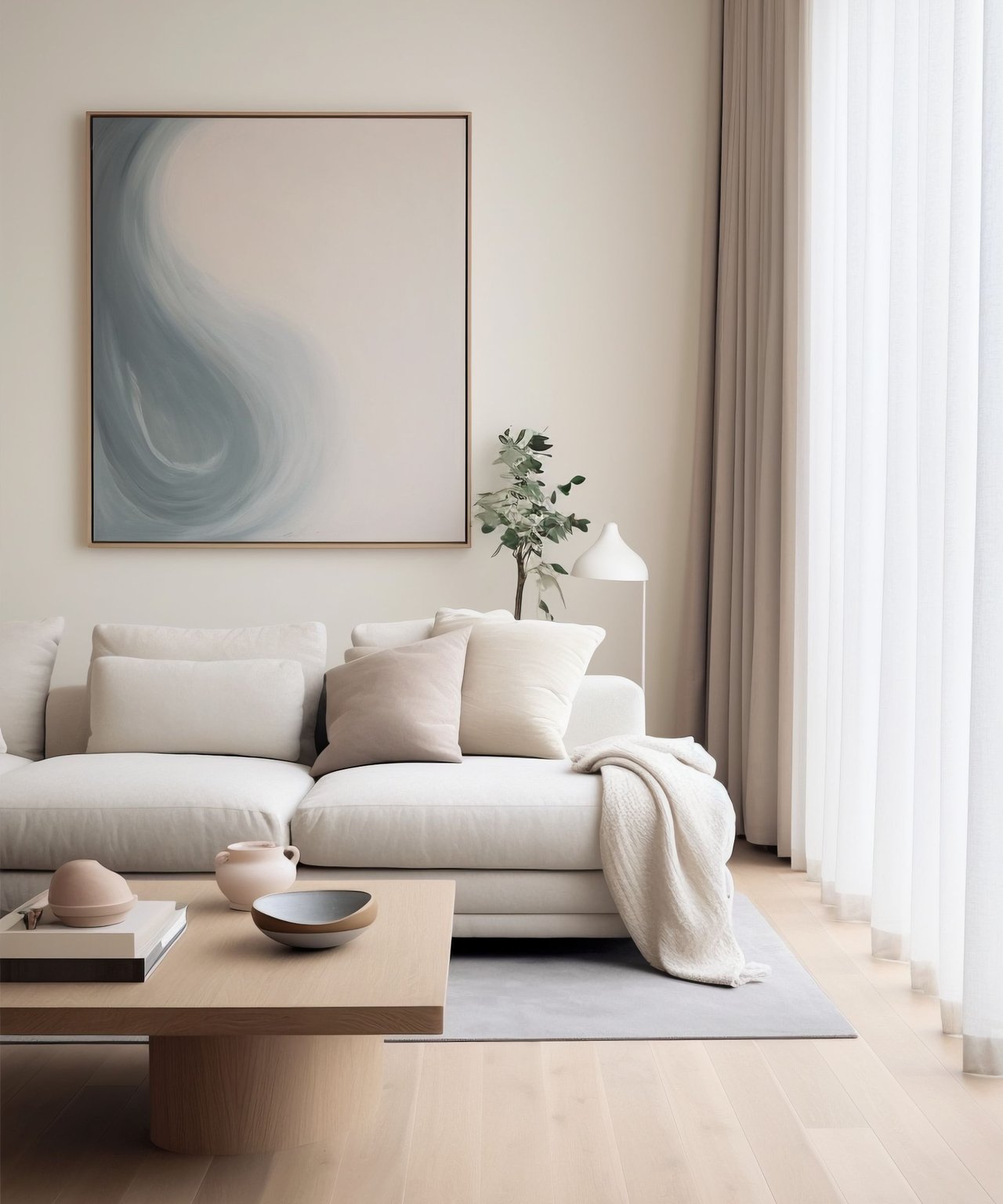
Your goal is to make the architecture the star. Keep rooms calm, airy, and focused so buyers immediately sense the indoor-outdoor lifestyle that defines Rancho Circle.
Stage to the architecture
- Arrange seating to frame views toward picture windows, sliders, and the backyard.
- Use low-profile sofas, chairs with tapered legs, and simple walnut or teak pieces.
- Keep accessories minimal so the eye notices built-ins, fireplace stone, and roofline.
Color and lighting
- Choose neutral walls that highlight warm woods and natural stone. Layer in accents like avocado, teal, or terra cotta with rugs or art.
- Replace dated fixtures with period-sensitive pendants, simple sconces, or a classic sputnik-style piece in the right room.
- Add layered lighting to wash walls and showcase art or architectural details without damaging historic surfaces.
Outdoor rooms and curb appeal
- Stage patios with a compact dining or lounge set and a few potted succulents to communicate daily livability.
- If a traditional lawn feels out of place, consider a low-water retrofit that uses gravel, decomposed granite, and groupings of desert-appropriate plants while staying compatible with the home’s character.
- Clean and maintain pool decks and coping. A well-cared-for pool reads as a lifestyle feature in Las Vegas.
Photography and listing copy
- Capture long, horizontal angles that show the roofline, window wall, and flow to outdoor areas.
- Add close-ups of built-ins, original hardware, fireplace stone, and window profiles to highlight authenticity.
- In copy, call out preserved originals and thoughtful, reversible upgrades, such as slim-sightline high-efficiency glass or restored terrazzo floors.
High-impact, low-risk tweaks
- Refinish original wood cabinetry instead of replacing it.
- Regrout or polish terrazzo or concrete floors and layer area rugs for warmth.
- Repaint the exterior in a period-aware palette and refresh worn door hardware with simple, era-appropriate designs.
- Add subtle landscape lighting and period-appropriate planters to boost evening curb appeal.
Practical steps for buyers and sellers
Due diligence checklist
- Full home inspection plus focused looks at windows and doors, roof and drainage, HVAC performance, electrical panel capacity, and plumbing.
- Hazardous materials testing for older finishes if renovation is planned.
- Termite and wood-rot checks for peace of mind.
- Request documentation for prior work, permits, warranties, and any historic designation paperwork.
Permits and historic review
- Verify whether a property is in a designated historic district or subject to local preservation review. Rules can guide materials, exterior changes, and site work.
- Confirm requirements with the local jurisdiction and the Nevada SHPO before planning or marketing upgrades as incentive eligible.
Professionals who can help
- A preservation architect familiar with mid-century properties and hot-dry climate strategies.
- A window conservation specialist to evaluate glazing options that keep original sightlines.
- Licensed contractors experienced with flat roofs, insulation upgrades, and discreet mechanical routing.
- A real estate agent who understands how to market mid-century homes and communicate both authenticity and performance upgrades.
For luxury sellers and relocating buyers
If you are selling a mid-century property in Rancho Circle, premium presentation matters. Thoughtful staging, skilled photography, and clear storytelling help buyers see the architecture and the lifestyle. If you are relocating on a tight timeline, a coordinated plan for inspections, repairs, and showings keeps the process efficient and discreet.
You deserve a partner who knows how to balance preservation value with market expectations. With deep local experience and premium marketing tools, our approach centers the home’s design while delivering a smooth, confidential process. When you are ready to discuss strategy for your Rancho Circle home or a targeted search nearby, reach out to Jill Alegre. Let’s Connect.
FAQs
What defines mid-century modern in Rancho Circle?
- Clean horizontal rooflines, large glass openings, indoor-outdoor flow, and simple materials like stucco, concrete block, and stone with minimal ornament.
How can you upgrade MCM windows without losing character?
- Repair and weatherstrip first, or use interior storm panels or slim-profile Low-E replacements that match the original sightlines and patterns.
Are flat roofs a concern in Las Vegas’s desert climate?
- They can perform well with proper maintenance, correct drainage, and compatible replacement materials that keep the original profile.
What staging works best for MCM homes in Rancho Circle?
- Minimal, low-profile furnishings that frame views, neutral walls with warm woods, period-sensitive lighting, and simple outdoor seating to highlight livability.
Do Rancho Circle homes qualify for historic incentives?
- Incentives depend on property status and use; verify eligibility with local officials and the Nevada State Historic Preservation Office.
What inspections should buyers prioritize for mid-century homes?
- A full home inspection plus focused checks on windows and doors, roof and drainage, HVAC and electrical systems, and testing for older hazardous materials if renovating.